If you’ve ever eaten a “healthy” meal only to be ravenous 90 minutes later, you already know how frustrating weight loss can feel as a woman. It’s not just you, and it’s definitely not a willpower problem. Hunger that shows up at the worst possible moment, bloating after meals that seemed fine, and blood sugar that feels like it’s running its own agenda—these are incredibly common experiences, not personal failures. The good news is that once you understand what’s actually driving cravings and blood sugar swings, small, sustainable changes can make a real difference. Your snacks don’t have to keep winning.

Why This Happens: Symptoms and Root Causes

Before jumping into solutions, it helps to recognize the pattern:

  • Post-meal cravings (especially for carbs or sweets): You eat something that seems reasonable, and then 1–3 hours later, hunger hits out of nowhere.
  • Energy crashes and snack attacks: Feeling tired, foggy, or jittery often triggers reaching for whatever is fastest—rarely the most nourishing choice.
  • Stubborn belly weight: Blood sugar imbalances can make fat loss feel like an uphill battle, particularly around the midsection.
  • Portion control that feels impossible: Even with the best intentions, a loud appetite can override “knowing better.”

Common underlying causes: blood sugar spikes from refined carbohydrates, meals too low in protein or fiber, inconsistent eating schedules, chronic stress, and poor sleep quality.

Where to Start: Simple, High-Impact Steps

You don’t need to overhaul everything at once. Start here:

  1. Build blood-sugar-balanced meals. Aim for protein + fiber + healthy fats at every meal, and add non-starchy vegetables to help slow down blood sugar spikes. Get 30 days of dietitian-recommended meal inspiration here!
  2. Never skip meals to “save calories.” This usually backfires, turning manageable hunger into an overwhelming craving later in the day.
  3. Plan a craving buffer in advance. Pick one protein-forward snack you’re always allowed to have, so cravings don’t catch you off guard. Here are some great ideas to get started! No time to prepare snacks? Then try this protein-packed treat (Barebells) that tastes like a candy bar!
  4. Take a short walk after one meal. Just 10–15 minutes can meaningfully smooth out your post-meal blood sugar response.
  5. Consider extra support if it fits your routine. Some women opt for natural supplements designed specifically around weight management and blood sugar balance.

A quick, honest note: While supplements can be a helpful addition to a healthy routine, they aren’t meant to diagnose, treat, cure, or prevent any disease. If you’re pregnant, nursing, or taking medication for diabetes or blood sugar, talk to your healthcare provider before adding anything new.

Your 14-Day Beginner Plan

A simple, realistic plan to reduce cravings, support weight loss, and stabilize blood sugar—without turning your life into a second job.

Days 1–2: Notice Your Patterns

  • Day 1: Jot down when cravings hit and what you’d eaten beforehand (morning, afternoon, evening).
  • Day 2: Pick one “default breakfast” (protein + fiber) and commit to repeating it for two weeks. No overthinking required.

Days 3–5: Upgrade Your Plate

  • Day 3: Try the plate method at lunch: ½ non-starchy vegetables, ¼ protein, ¼ whole-food carbs.
  • Day 4: Add a fiber-rich snack to your rotation (berries with nuts, veggies with hummus, Greek yogurt).
  • Day 5: Cut one obvious blood sugar spike trigger—soda, juice, or a particularly sugary snack. If you want to cut back on alcohol, but still want a relaxing drink check out these mocktail recipes.

Days 6–7: Add Movement and Consistency

  • Day 6: Take a 10–15 minute walk after your easiest meal of the day.
  • Day 7: Prep one component of tomorrow’s meal (protein or chopped veggies) to cut down on last-minute “snack math.”

Days 8–10: Make It Easier on Yourself

  • Day 8: Keep breakfast consistent—this isn’t the moment to experiment, especially while cravings are still sensitive.
  • Day 9: Plan a naturally blood-sugar-friendly dinner built around protein and vegetables.
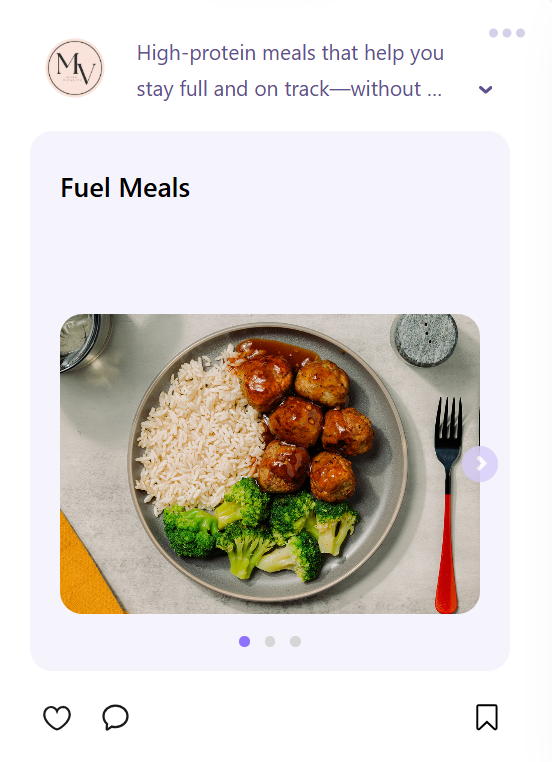
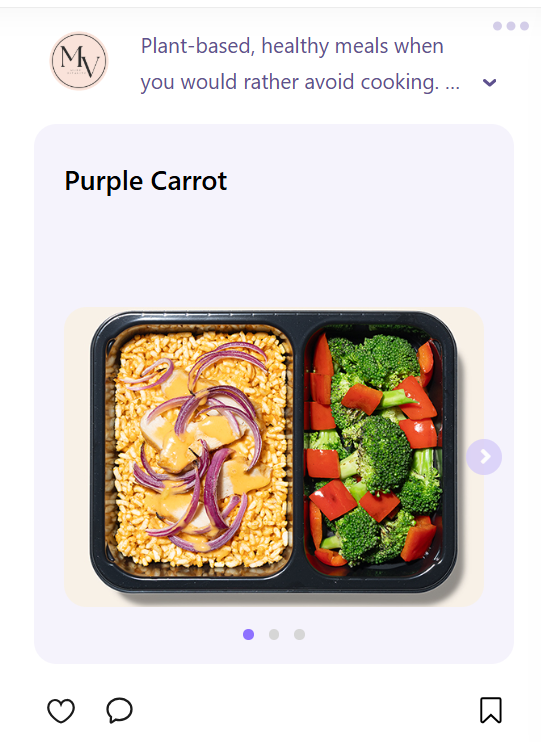
  • Day 10: If decision fatigue is real for you, a meal delivery service can take some of the mental load off:

Days 11–12: Get Ahead of Cravings

  • Day 11: Choose your planned snack for the week so you’re never deciding in the heat of the moment.
  • Day 12: Make sure that snack includes protein—it’s one of the most reliable ways to quiet cravings for good.

Days 13–14: Optional Support and Reflection

  • Day 13: If you are interested in trying a natural supplement, consider adding Berberine to your routine. It is highly regarded for its metabolic benefits, and many people use it alongside healthy habits to help support healthy weight management and balanced blood sugar levels.(Always check with your physician before adding Berberine or any new supplements to your daily regimen to ensure it is the right fit for you.)
  • Check out this best-selling Berberine supplement:
  • Max Potency! 1200 Mg Pure Berberine
  • Effective! Maintain a Healthy System: Berberine HcL (Berberis Aristata) is a compound found in plants such as barberry a…
  • High Quality! Single Ingredient Supplement: Our Doctor Recommended Pure Berberine is made with only one main ingredient …
  • Day 14: Check in with yourself: Did cravings feel less intense? Fewer energy crashes? Which meal or snack made the biggest difference?

Common Mistakes to Avoid

  • Going all-or-nothing. Extreme restriction tends to make cravings louder, not quieter.
  • Relying only on willpower. Blood sugar swings can make willpower feel unreliable—because biologically, it often is.
  • Skipping protein. Carb-heavy meals without enough protein mean hunger will eventually catch up with you.
  • Changing everything at once. Pick one or two levers—meal composition and timing are a great start—and build from there.
  • Expecting instant results. Cravings and energy usually improve first; visible weight changes tend to follow a bit later.

When Extra Support is Needed

If you’re looking for a structured approach and a supportive community to help you embrace healthy eating habits, Weight Watchers is a fantastic resource worth looking into. Not only do they provide proven tools for long-term behavioral change, but they also now offer access to GLP-1 medications at the lowest price available from a trusted brand. It’s an excellent way to get comprehensive support for weight management and blood sugar balance as part of a broader, sustainable routine—not a shortcut around it.

Frequently Asked Questions

Will this actually help with cravings? Often, yes—especially if your cravings are tied to post-meal blood sugar spikes and energy crashes. Consistent meal structure (protein + fiber + healthy fats), combined with the right support system, tends to reduce those “why am I suddenly starving?” moments significantly.

When will I start seeing results? Most people notice changes in cravings and energy within 1–2 weeks. Visible weight changes typically take longer—around 3–6 weeks or more—depending on consistency, sleep, stress levels, activity, and whether you are incorporating clinical support like GLP-1s.

Who is this plan really for? This is designed for women who want trusted, science-backed support for weight management, especially those dealing with cravings, afternoon snack urges, or feeling “off” after meals. If you are considering GLP-1 medications or are currently on blood sugar medication, always check with your clinician or the healthcare providers through Weight Watchers before making changes.

Wrap-Up

Here’s the thing worth remembering: your body isn’t broken, and your cravings aren’t a character flaw—they’re information. Once you start feeding yourself in a way that actually supports steady blood sugar, and lean on trusted resources like Weight Watchers for guidance, those loud, urgent hunger signals tend to quiet down on their own. You don’t need a perfect diet or an iron will; you need a few consistent habits that work with your biology instead of against it. Give yourself time, be patient through the small wins, and trust that steadier energy and fewer cravings are often the first sign that something real is shifting. You’ve got this!

Some links in this post are affiliate links. If you buy through them, we may earn a small commission—at no extra cost to you.

Honestly, how many of us are out here running on three cups of coffee?

Even with Sleep Hygiene in mind, we push through with coffee and the determination of someone who should have slept.

If you nodded at that, you’re in good company. According to the CDC, more than one-third of adults in the U.S. aren’t getting enough sleep. Nearly 15% struggle to fall asleep, and almost 18% can’t stay asleep. So if you’ve been lying awake at 2 a.m. mentally replaying that awkward thing you said in 2009… You are absolutely not alone.

Sleep Hygiene is a simple concept that could change your life. It emphasizes consistent bedtimes and wake times, a comfortable sleep environment, and routines that prepare the body for rest. The idea is practical and non-subjective, with no prescription or medical intervention required to start benefiting.

Additionally, adopting good habits is something most people can try at home, at any age. By aligning daily activities with rest, you may experience clearer mornings and more restorative sleep. The approach is approachable and adaptable to individual schedules and needs.


So, What Is Sleep Hygiene?

No, it has nothing to do with washing your face before bed (though, please do that too ).

Sleep hygiene is simply a collection of habits, routines, and environmental tweaks that help you fall asleep faster, stay asleep longer, and wake up feeling like an actual human being instead of a confused raccoon.

Good sleep isn’t just about quantity — it’s about quality. We’re talking about the kind of sleep that lets your body:

  • Physically repair and restore itself
  • Boost your immune system
  • Emotionally and cognitively recharge

Most adults need seven to nine hours per night. Not seven hours of lying in bed doom-scrolling — actual sleep.


Let’s Talk Numbers First

The amount of sleep you need shifts throughout your life. A toddler and a 45-year-old woman do not have the same sleep needs (obvious when you think about it, but worth noting). The CDC has sleep duration recommendations across every life stage, so it’s worth a quick look to see where you land.

And here’s a fun little update from the 2023 National Sleep Foundation: if you’ve had a rough, sleep-deprived week, catching up a bit on the weekend is actually beneficial. So that Saturday morning sleep-in isn’t laziness — it’s science. You’re welcome.


Create Your Dream Sleep Sanctuary

Your bedroom should feel like a five-star hotel meets a cozy woodland retreat — not a second office / Netflix theater/anxiety chamber. Here’s how to transform it:

Tackle the Noise

Heavy curtains and plush rugs actually help absorb sound. And if outside noise is your nemesis, a white noise machine is an absolute game-changer.

  • ORIGINAL SLEEP SOUND MACHINE: Beloved by millions since 1962, the Dohm Classic was the first white noise machine ever cr…
  • CUSTOMIZED EXPERIENCE: The Dohm Classic effectively blocks out disruptive sounds like traffic, snoring, or noisy neighbo…
  • CRAFTED WITH LOVE: For over 60 years, Yogasleep has consistently set the gold standard in crafting sleep-enhancing produ…

Block the Light

If streetlights or an early sunrise are creeping into your room, blackout curtains or blackout blinds are non-negotiable. They’re also surprisingly chic these days! Check out these bestsellers on Amazon!

Bestseller #1
  • CORDLEES & FREE-STOP DESIGN: The cord-free design provides a clean, tangle-free look to the window and creates a safer e…
  • ROOM DARKENING SHADES: Made of thick non-woven fabric and built-in environmentally friendly aluminum foil coating inside…
  • NOISE & HEAT INSULATION: This cellular blinds are built-in aluminum foil, the unique 1.5 inch honeycomb structure create…
Bestseller #2
  • Durable Linen Look Fabric With 100% Blackout Liner
  • Imported
  • STANDARD MADE: Curtains are sold per pair. Each pack contains 2 blackout functional curtain panels. Each panel measures …

Cool It Down

Most people sleep best in a room between 65°F and 68°F. Your body temperature naturally drops as you fall asleep, so a cooler room actually helps the process along. Think of it as your bedroom doing the heavy lifting for you.

Invest in Your Mattress and Pillows

If your mattress is older than your last serious relationship, it might be time for an upgrade. A worn-out mattress and flat pillows are low-key sabotaging your sleep every single night. These top-rated mattresses offer unmatched comfort and cooling, white glove delivery, and 365 night trials.

If you are tired of waking up hot, achy, or groggy, it might be time to rethink your mattress. Finding the perfect balance of plush comfort and temperature regulation can completely transform your nights. But buying a mattress online can feel risky—which is why we highly recommend brands that offer a full 365-night trial. You get an entire year to experience the bed through all four seasons before making your final commitment.

Here are our top three recommendations that deliver exceptional comfort, advanced cooling technology, and a risk-free year of sleep:

1. Nectar: The Memory Foam Marvel

For those who love the body-hugging contour of memory foam but hate the trapped heat, Nectar is a game-changer. Nectar mattresses are engineered with a quilted, breathable cover and gel-infused memory foam that actively pulls heat away from your body.

  • Comfort: Adaptive foam relieves pressure points, making it perfect for side sleepers and anyone with joint pain.
  • Cooling: The cooling action cover and gel-infused layers keep air circulating.
  • The Guarantee: Nectar’s industry-leading 365-night trial and lifetime warranty mean you can sleep soundly knowing your investment is protected.

2. DreamCloud: Luxury Hybrid Perfection

If you want the contouring of foam combined with the bounce and support of inner springs, look no further than DreamCloud. This luxury hybrid mattress feels like a high-end hotel bed at a fraction of the price.

  • Comfort: A plush cashmere blend cover sits atop high-density gel memory foam and individually wrapped coils, providing phenomenal edge support and spinal alignment.
  • Cooling: The coil system promotes massive airflow, while the breathable cashmere cover wicks away moisture to keep you cool and dry all night.
  • The Guarantee: Like Nectar, DreamCloud backs its premium build with a generous 365-night trial and a lifetime warranty.

3. Saatva: Premium Eco-Friendly Support

Saatva brings traditional innerspring luxury into the modern age with a dual-coil system and premium, eco-friendly materials. Delivered with complimentary white-glove setup, Saatva is the ultimate choice for sleepers who want customized comfort without the hassle of a bed-in-a-box.

  • Comfort: Featuring a luxurious Euro pillow top and available in three distinct firmness levels (Plush Soft, Luxury Firm, and Firm), you can tailor the bed exactly to your sleep style.
  • Cooling: The dual-coil system allows for maximum breathability, while the organic cotton cover naturally regulates temperature, ensuring you never wake up in a sweat.
  • The Guarantee: Saatva recently upgraded their policy to include a full 365-night trial and a lifetime warranty, giving you a full year to fall in love with your new bed.

Quick Comparison

FeatureNectarDreamCloudSaatva Classic
Mattress TypeGel Memory FoamLuxury HybridInnerspring / Hybrid
Best ForPressure relief, side sleepersBalanced support, couplesBack support, custom firmness
Cooling TechGel-infused foam, breathable coverCashmere blend cover, coil airflowOrganic cotton, dual-coil airflow
Trial Period365 Nights365 Nights365 Nights
WarrantyLifetimeLifetimeLifetime

Ready to experience the best sleep of your life? With a full 365-night trial offered by all three of these top-tier brands, you have absolutely nothing to lose—except those restless, sweaty nights!

Not Quite Ready to Invest in a New Mattress? This best-selling mattress topper offers a more affordable alternative to cooling and comfort.

  • PRESSURE RELIEVING MEMORY FOAM: Plush gel infused memory foam conforms to your curves for personalized comfort that hugs…
  • COOLING GEL INFUSIONS: This topper is infused with a cooling gel that helps capture and distribute heat to keep you cool…
  • MULTIPLE PROFILE OPTIONS: Choose your own level of comfort with a plush 2-inch profile or an even plusher 3-inch thick m…

Keep Work and Screens Out

Your bedroom is for sleep and intimacy only — period. Laptops, work emails, and “just one more episode” energy all need to stay outside those four walls. Your bed should signal to your brain: it’s time to rest, not it’s time to respond to Karen’s 11 p.m. Slack message.

And yes — this includes the kids and pets sleeping in your bed if they’re disrupting your rest. (Controversial, we know. We’ll let you decide on the dog. )


What You Eat and Drink Matters More Than You Think

Here’s where it gets a little inconvenient, but stay with us:

  • Eat dinner at least 3 hours before bed. Your body is trying to rest, not process a full bowl of pasta.
  • Skip the evening wine. We know, we know. But alcohol is sneaky — it might make you drowsy at first, then wake you up a few hours later like a rude house guest. It also worsens snoring and reduces REM sleep, which is the deeply restorative stage your brain needs.
  • Cut caffeine after lunch if you’re sensitive to it. That 3 p.m. latte might be why you’re still staring at the ceiling at midnight.
  • Nicotine is a stimulant — add disrupted sleep to the very long list of reasons to quit smoking.

Build a Bedtime Routine You Actually Love

This is the fun part, honestly. Give yourself at least one hour before bed to wind down. Think of it as your personal spa time that also happens to be free.

Here are some things that work beautifully:

  • Read for pleasure in soft, warm lighting — a physical book, not your phone
  • Take a warm bath (your body temperature drops after, which triggers sleepiness — it’s basically a biological cheat code)
  • Gentle stretching, deep breathing, or progressive muscle relaxation
  • Calming music or a guided meditation — this is the one acceptable screen use before bed

If you haven’t tried the Calm app yet, this is your sign. Guided sleep meditations, sleep stories (narrated by some surprisingly dreamy voices ), and breathing exercises make winding down feel genuinely luxurious. They offer a free trial so there’s nothing to lose!


Daytime Habits That Set You Up for Success

Great sleep actually starts when you wake up. Here’s what to keep in mind throughout the day:

Time Your Workouts Wisely

For most people, exercising within two hours of bedtime can make it harder to fall asleep — your body is still buzzing. That said, everyone’s different, so experiment and see what works for you.

Keep Naps Short and Early

A nap is a beautiful thing — but a two-hour snooze at 5 p.m. is basically a sleep thief in disguise. If you need to nap, keep it to 30 minutes or less, and aim for early afternoon.

Keep a Sleep Diary

This one sounds extra, but hear us out — it’s genuinely eye-opening. For at least two weeks, track:

What to TrackWhy It Matters
Bedtime & wake timeReveals your natural rhythm
Caffeine & alcohol intakeConnects consumption to sleep quality
Dinner timeShows digestion impact on sleep
Exercise timingIdentifies energizing vs. calming workouts
Screen time cut-offLinks device use to time to fall asleep
Sleep quality & wake-upsThe big picture

Each morning, jot down how you slept and for how long. After a couple of weeks, patterns will start to emerge — and that’s where the magic is. You become your own sleep scientist.


Phone a Friend (or Your Partner)

Here’s the thing about building new habits: they’re so much easier when someone else is doing them with you. If you have a partner, roommate, or even a friend who’s also struggling with sleep, tackle these changes together. Text each other your sleep scores. Hold each other accountable. Celebrate the wins.

“I slept 8 hours and didn’t wake up once” deserves just as much celebration as any other health milestone — maybe more.


The Bottom Line

Sleep isn’t a luxury. It’s not something to brag about skipping. It is, quite literally, one of the most powerful health tools available to you.

You deserve to wake up feeling restored, clear-headed, and ready to take on whatever the day throws at you — not like you’re wading through fog before 10 a.m.

Start with one or two changes from this list and build from there. Be patient and kind with yourself. And remember — a well-rested woman is an unstoppable one.

You may also enjoy…

Life is busy. Between work deadlines, family responsibilities, the mental load you carry, and everything else you’re trying to keep running… finding time for therapy can feel impossible. Add the cost question, and it’s no wonder people put off getting support until they’re overwhelmed.

Let’s talk about what online therapy really looks like, why it works for so many people, and how to get started with Talkspace


Why People Are Choosing Online Therapy More Than Ever

For many people, in-person therapy has a few hidden friction points:

  • Time (commuting, waiting rooms, finding a time that doesn’t clash with real life)
  • Cost concerns (therapy can feel expensive—especially if you’re unsure what insurance covers)
  • Emotional barriers (if you’re anxious, stressed, or exhausted, the idea of getting yourself to an appointment can be hard)

Online therapy removes a lot of those obstacles. You can access support from the comfort of home—often at times that are easier to manage. And when insurance is involved, affordability can improve too.

If you’ve been thinking, “I want therapy, but I don’t know if I can make it work,” online sessions may be exactly the bridge you need.


What Therapy From Your Phone Actually Feels Like

You might be wondering: Will it feel real? Will it be awkward?

Most people are surprised by how quickly it becomes familiar.

Typically, online therapy involves:

  • Meeting with a licensed therapist through a secure platform
  • Using video or audio sessions (depending on your preference and plan)
  • Messaging support (for some plans/features, depending on your setup)
  • Working toward goals just like you would in-person—coping tools, communication skills, stress management, and more

And here’s an underrated benefit: there’s no commute. No “what do I wear?” pressure. No trying to schedule your day around travel time. You can simply show up as you are.


How Online Therapy Fits Into Real Schedules

Therapy doesn’t have to be another appointment you dread. It can fit into the rhythms of your life—if you choose a setup that works.

Here are a few ways people make it work:

  • During a lunch break (if your schedule allows)
  • After work, when you’d usually sit and scroll anyway
  • In the evening, as part of a decompression routine
  • On days you’re already home, like weekends or lighter weekdays

Consistency matters more than perfection. Even if therapy isn’t “every week at the perfect time,” online options can make it easier to stay connected to your progress.


Making the Space at Home Feel Comfortable

You don’t need a fancy setup to do meaningful therapy. But having a small plan can help you feel more at ease.

Consider these simple tips:

  • Pick a quiet room where you won’t be interrupted
  • Use headphones if you need extra privacy
  • Put your phone notifications on Do Not Disturb
  • Choose lighting/sound that helps you feel comfortable and heard

The goal is comfort, not performance. Your therapist is there to support you—not to judge the background.


Who Online Therapy Can Be Especially Helpful For

Online therapy can be a great fit if any of these sound familiar:

  • You’re juggling a demanding job or irregular hours
  • You’re a caregiver or parent and time is scarce
  • You live far from therapy options or prefer not to commute
  • In-person appointments feel intimidating or draining
  • You want a more flexible way to stay on track

Most importantly: you don’t have to be in crisis to deserve support. If you’re feeling stressed, anxious, stuck in patterns you want to change, or carrying too much alone—therapy can help.


A Big Question: “What If I Can’t Afford It?”

This is where Talkspace can stand out.

Talkspace accepts most insurance, and many people may qualify for low or ~0 co-pay depending on their plan and eligibility. That means therapy may be more financially accessible than you expected.

Of course, insurance benefits vary, so the best next step is to explore your options and confirm what applies to you. But if cost has been a barrier in the past, it’s absolutely worth checking.


Common Concerns (Answered Clearly)

1) “Will online therapy work as well as in-person?”
For many people, yes. Therapy is relationship-based and skill-based. The format may differ, but the support and progress can be just as real—especially when you find the right therapist and stay consistent.

2) “What if I don’t know what to say?”
That’s incredibly common. You don’t need to have the perfect words. You can start with what’s going on now, what you’re worried about, or what you want to feel differently.

3) “Is it private?”
Online therapy platforms are designed to protect your privacy. You can also help by choosing a private space, using headphones, and managing your environment.

4) “What if I’m dealing with a lot—like anxiety or burnout?”
Online therapy can be a strong option for stress, burnout, anxiety, mood concerns, relationship issues, and more. You can talk through what’s happening and build practical tools to cope.


What Progress Can Look Like (Even If It Feels Slow at First)

Therapy isn’t always a sudden “aha” moment. Often, it’s quieter than that:

  • You start feeling more understood
  • You notice patterns repeating in your life
  • You gain coping tools you can actually use
  • You communicate differently—with less friction
  • You feel more grounded, even during stressful seasons

Small improvements add up. And once you’re supported consistently, change becomes easier to build.


How to Explore Talkspace Options

If you’re ready to take the next step, explore Talkspace options today.

Here’s what to do:

  1. Check insurance eligibility to see if you may qualify for a low or ~0 co-pay (based on plan benefits)
  2. Choose the format and preferences that fit your comfort level
  3. Start with a therapist and begin working toward your goals

Call to action:
✅ Explore Talkspace options now to see what coverage and session choices may be available for you.


Final Encouragement

If you’ve been waiting for the “right time” to try therapy, consider this your moment. You don’t need perfect timing, perfect words, or perfect conditions. You just need support—and a way to make it fit your life.

Online therapy can be that bridge. And if affordability has been holding you back, checking Talkspace insurance options could be the key that opens the door.

You juggle work deadlines, family responsibilities, workouts you try to squeeze in, and a social life that deserves attention too. Somewhere between your morning meetings and evening commitments, healthy eating falls to the bottom of your list. You know what you should eat—but knowing and doing are two very different things when you barely have time to breathe, let alone meal prep.

Fast Food and Skipping Meals Is Sabotaging Your Health Goals

Here’s the hard truth: every skipped breakfast, drive-thru lunch, and “cereal for dinner” night pushes your health goals further out of reach. You feel it, too—the afternoon energy crashes, the frustrating plateau on the scale, the guilt that creeps in when you order takeout for the third time this week. Poor nutrition doesn’t just affect your waistline. It drains your focus, weakens your workouts, and leaves you running on empty when everyone else needs you at your best. And let’s be honest—spending your precious Sunday hours chopping vegetables and portioning containers isn’t exactly the self-care you had in mind.

The Solution: Let a Meal Plan Service Do the Heavy Lifting

Stop trying to do it all yourself. Meal plan services take the planning, shopping, and (in many cases) cooking off your plate—so you can put nutritious food on it. Whether you want fully prepared meals delivered to your door, portioned ingredients with easy recipes, or customized plans built around your specific goals—weight loss, muscle gain, hormone balance, or simply more energy—there’s a service designed for your lifestyle.

We’ve done the research so you don’t have to. Below, you’ll find our top meal plan service recommendations for busy women, complete with pricing, dietary options, and what makes each one stand out. Find your match, reclaim your time, and finally make your health goals happen—without adding a single task to your to-do list.

Let’s dive into the delicious options!

Finding time to step away from work, routines, and responsibilities can feel impossible, but a weekend at The Omni Grove Park Inn & Spa in Asheville, North Carolina, makes it easy. Set in the Blue Ridge Mountains, this historic resort blends old-world charm with natural beauty that invites you to exhale. For couples planning a romantic getaway, here is what to expect.


Arriving in Asheville: History With a View

Built in 1913, the Inn’s Arts and Crafts architecture, with its red tile roof, massive stonework, and sprawling grounds, sets a calm, timeless tone from the moment guests arrive. The Corner Panoramic rooms are a standout, with large windows framing views of the mountains, the golf course, and the spa below. Mornings become a calming ritual: coffee in a plush robe while taking in the scenery. The spacious, serene rooms make it easy to slow down and be present.


Spa Time: A Couple’s Retreat That Delivers

The spa is a must-visit. The Couple’s Retreat Massage is a highlight. In a peaceful, softly lit suite, two expert therapists work in sync to melt away tension and stress. The experience feels intimate without being fussy, just deeply relaxing. Guests can follow it with the Relaxation Whirlpool Bath, served with chilled Prosecco and decadent truffles.

From there, the indoor mineral pools and hot tubs offer even more ways to unwind. Rock surroundings and skylights create a magical setting, and floating in the mineral pool to the soothing sound of underwater music is pure bliss. Guests can alternate between the pool and the waterfall hot tubs, where 200-gallon-per-minute waterfalls provide an incredible massage effect. Afterward, guests return to their rooms relaxed, rejuvenated, and ready for dinner.

Dinner Plans: Two Evenings, Two Vibes

Vue 1913:

For an elegant evening, Vue 1913 delivers with panoramic windows, live piano music, and a menu full of flavor. Starters include seared tuna with citrus crema and garlic chips. Entrées range from 24-hour beef short ribs with bitter greens, au jus, and creamy polenta topped with apricot mostarda to filet mignon with whipped potatoes, asparagus, and red wine demi-glace. A side of the chef’s blend of mushrooms is ideal for sharing. The atmosphere is refined without being stuffy, perfect for lingering over conversation.

Edison’s on the Terrace:

For a more relaxed night, Edison’s on the Terrace offers a fun sports bar and pub vibe. Under string lights, with the golf course as a backdrop, guests can enjoy smash burgers, French fries, and draft beer. The menu includes plenty of options for different dietary needs, including gluten-free and plant-forward dishes, so everyone is covered.

Evenings in the Great Hall: Fireside and Unplugged

The Great Hall is the heart of the resort, with soaring stone fireplaces and cozy seating. Settle into a rocking chair with a cocktail, such as an Aperol Spritz or a Gin & Tonic, and enjoy time to simply talk. With no phones and no deadlines, a crackling fire does wonders for conversation.


Takeaway

The Omni Grove Park Inn & Spa is a unique historical destination that encourages guests to breathe, connect, and enjoy the beauty around them. Whether planning a romantic weekend, a solo recharge, or a friends’ trip, it strikes the sweet spot between luxurious elegance and the natural beauty of the mountains..

Ready to plan your own escape?

Some moments in life demand to be savored. Moments where the world outside fades away, and all that matters is the gentle hum of relaxation, the scent of pure bliss, and the feeling of being utterly, completely pampered. In Johnson City, Tennessee, that moment awaits at Austin Springs Spa, nestled within the historic and charming Carnegie Hotel.

Between work, family, and everyday responsibilities, it’s easy to forget to press pause. Austin Springs Spa offers the chance to step away from it all and reconnect with yourself.

Make a Day of It: Brunch at Wellington’s Restaurant

Whether you live nearby or are visiting from out of town, the Carnegie Hotel makes it easy to turn a spa appointment into a full day of indulgence. Start with brunch at Wellington’s Restaurant, located right within the hotel. The elegant ambiance and delicious menu are the perfect prelude to a spa visit, setting a luxurious tone for the hours ahead. It’s the kind of place where you can linger over your coffee or mimosa, savor every bite, and feel like you’re on a pampered getaway.

The Spa Experience: A Head-to-Toe Escape

From the moment you’re greeted by the warm and friendly staff, a sense of calm begins to settle in. The soft lighting, gentle music, and subtle, calming aromas create a sensory symphony designed to melt away stress.

Aromatherapy Relaxation Bath

Picture slipping into a warm, fragrant oasis where the soothing scents of essential oils envelop you and the only sound is the gentle lapping of water. This isn’t just a bath; it’s a ritual. The aromatherapy blend invites tension to drain away, leaving you feeling as though you have your own private sanctuary, a world away from any worries.

Head-to-Toe Massage

For anyone feeling the weight of the world on their shoulders, this massage is the remedy. Skilled therapists work out every knot and every ounce of tension you may not even realize you’re holding. It’s more than just a massage; it’s a deeply therapeutic experience that leaves the body renewed and the mind at peace. By the end, you’ll feel as though you’re floating on a cloud, perfectly primed for the final step of your pampering.

Berry Peel Facial

If you want your skin to glow as if you’ve just returned from a rejuvenating vacation, the Berry Peel Facial is your secret weapon. A knowledgeable aesthetician assesses your skin and tailors the treatment to your needs. The Berry Bliss products smell divine, like a fresh, juicy summer day, and feel wonderfully nourishing. Through gentle cleansing, exfoliating, and massage, your skin drinks in all the goodness, leaving your face soft, supple, and radiant. You’ll leave not just refreshed, but glowing from the inside out.

Why Austin Springs Spa is a Must-Visit

What sets Austin Springs Spa apart, beyond the exceptional treatments, is the entire experience. The attention to detail, the serene atmosphere, and the genuine warmth of the staff make every guest feel truly cared for. A spa visit here isn’t just about a treatment; it’s about reclaiming a piece of yourself, finding a moment of peace, and investing in your well-being.

Whether you’re a local or planning a weekend getaway to Johnson City, Austin Springs Spa at the Carnegie Hotel deserves a spot on your list. It’s the perfect destination for:

  • A much-needed self-care day: Treat yourself to a solo escape and reconnect with your inner peace.
  • A blissful girlfriend getaway: Share the experience with your best friends for a day of laughter, relaxation, and pampering.
  • A romantic retreat: The Carnegie Hotel provides the perfect backdrop for a romantic escape, and a couple’s massage at the spa is the icing on the cake.

A Southern Gem Worth Discovering

A visit to Austin Springs Spa is more than a day of pampering. It’s a reminder of the importance of self-care and the transformative power of true relaxation. Guests leave physically rejuvenated and mentally and emotionally uplifted, with a serene smile and a sense of being completely recharged.

If you’re looking for a sanctuary where Southern charm meets luxurious indulgence, look no further than Austin Springs Spa at the Carnegie Hotel. You deserve this kind of bliss. Go ahead and book that treatment. Your mind, body, and soul will thank you for it

Ready to experience luxurious spa pampering?

Carnegie Hotel – Johnson City, TN Hotels

Austin Springs Spa

Wellington’s Restaurant – Johnson City, TN

Ever feel like navigating the world of nutrition is like trying to decode a cryptic wellness puzzle—except the prize is a kale chip instead of a treasure? With super foods popping up faster than TikTok trends, it’s tempting to shrug and reach for the nearest bag of chips, but hold up—let’s ditch the overwhelm and get real about the top 10 super foods that matter for your vitality. These aren’t fleeting fads or overpriced hype; they’re nutrient-packed MVPs that fit into your life, no secret handshake required. Ready to nourish yourself like the powerhouse you are? Let’s dive in.

1. Berries: Nature’s Candy

Blueberries, strawberries, raspberries—these little bursts of flavor are antioxidant royalty. They wage war on free radicals (those sneaky culprits behind aging and inflammation), boost heart health, and even sharpen your brain. Bonus: they’re sweet enough to trick your taste buds into thinking you’re indulging.

Quick Tip: Add a handful to your yogurt or blend them into a smoothie for a vibrant, energizing boost. Feeling extra? Sprinkle them over a spinach salad with a balsamic drizzle—sweet, savory, and smugly healthy.

2. Spinach: The Leafy Green Hero

Spinach is the friend who’s always there for you—quietly packed with iron, calcium, and vitamins A and K. It’s a rockstar for bone strength, energy, and that coveted glow-from-within skin. And no, you don’t need to choke down a raw handful; there are more innovative ways to green up your life.

Quick Tip: Toss spinach into a warm quinoa veggie bowl or blend it into your favorite smoothie.

3. Chia Seeds: Tiny Powerhouses

Chia seeds are tiny yet mighty, rich in omega-3 fatty acids, protein, and fiber, making them champions for heart and gut health. Plus, they expand in liquid and help keep hunger at bay.

Quick Tip: Stir them into overnight oats with a hint of vanilla, or mix them into water with lemon and honey for a refreshing, gut-loving drink.

4. Avocado: Nature’s Butter

Avocados are incredibly versatile, offering a buttery texture that can replace mayo or butter. They are also brimming with monounsaturated fats and potassium. They also help reduce bad cholesterol, hydrate your skin, and make every meal feel like a treat.

Quick Tip: Spread smashed avocado on sourdough toast with a sprinkle of salt, or blend it into a chocolate smoothie for an extra-rich treat. Trust me, chocolate and avocado pair excellently together.

5. Quinoa: The Ancient Grain

Quinoa has been around forever, but it’s still the MVP of grains. A complete protein, it’s gluten-free, keeps you full, and won’t send you into a carb coma. It’s the chameleon of your kitchen—breakfast, lunch, or dinner, it’s got you covered.

Quick Tip: Substitute it for rice in a stir-fry, or create a hearty salad with roasted vegetables and a drizzle of tahini. Level up: Cook it in veggie broth for an almost unfair flavor boost.

6. Almonds: Crunchy Nutrients

Almonds are the ultimate grab-and-go fuel—rich in healthy fats, fiber, and vitamin E. They are vital for heart health, brain power, and curbing that 3 p.m. snack attack. Just don’t get too nutty—portion control keeps this superfood and calories in check.

Quick Tip: Keep almonds in your purse for a quick energy boost, or chop them into your morning oatmeal. Fancy a treat? Spray almonds with olive oil spray and sprinkle on your favorite seasoning, then toast them lightly.

7. Sweet Potatoes: The Vibrant Carb

Sweet potatoes are comfort food with a halo—loaded with beta-carotene, fiber, and vitamins. They’re your go-to for eye health, steady blood sugar, and a happy gut. Plus, that orange glow screams, “I’ve got my life together.”

Quick Tip: Roast them with olive oil and smoked paprika for a killer side, or mash with a dab of coconut oil for creamy perfection. Bonus: Slice into fries and thank me later.

8. Salmon: The Omega-3 King

Salmon swims in with omega-3 fatty acids, protein, and vitamin D—a love letter to your heart and brain. It’s the kind of fish that makes you feel fancy without much effort. Not into seafood? We’ll convert you yet.

Quick Tip: Grill or bake it with lemon and dill for a meal that’s stupidly easy and elegant. Instead, mix it up. Cube it into a poke bowl with quinoa and avocado—fresh and fierce.

9. Greek Yogurt: The Protein-Rich Treat

Greek yogurt is the multitasker you didn’t know you needed—high in protein, probiotics, and calcium. It’s your gut’s BFF, aids muscle recovery, and plays nice with sweet or savory vibes. Versatility, thy name is yogurt.

Quick Tip: Top with berries and honey for a breakfast that feels indulgent, or whip up a dip for veggies.

10. Dark Chocolate: The Sweet Antioxidant

Dark chocolate (70 %+ cocoa) isn’t just a treat—it’s a legit superfood. Packed with antioxidants and flavonoids, it supports heart health and lifts your mood. You can enjoy chocolate regularly if you limit it to one or two squares per day.

Quick Tip: Savor a piece post-dinner for a classy finish, or melt it into oatmeal for a morning that feels like a warm hug. Moderation’s the name of the game, but oh, what a delicious one.

Adding these superfoods to your life isn’t about chasing some unattainable wellness crown—it’s about small, doable shifts that pay off big. Forget the pressure to be perfect; focus on what feels good and sticks. These powerhouses aren’t here to judge your takeout nights—they’re here to level up your vitality, one bite at a time. Takeaway: Nourishing yourself is a sign of self-respect, not a trend. So, pick one, start today, and watch your future self give you a high-five.

Sources

  • Harvard T.H. Chan School of Public Health
  • Mayo Clinic
  • American Heart Association
  • Cleveland Clinic
  • National Institutes of Health (NIH)

Between juggling careers, family, friends, and that never-ending mental to-do list, does it often feel like your brain is stuck on a hamster wheel—chugging along on caffeine and sheer grit? We frequently hear about “self-care”: bubble baths, face masks, and perhaps that well-deserved glass of wine, but what if the most powerful self-care tools are already inside of you, just waiting to be unlocked?

I’m talking about mindfulness and meditation. Don’t picture a zen guru sitting cross-legged on a mountaintop—stay with me. It’s not about emptying your mind (good luck with that, fellow overthinkers!). Instead, it’s about training your brain—like you’d train your body—to be more resilient, focused, and genuinely at peace.

As I am navigating the beautiful chaos of modern womanhood, I’ve seen firsthand how transformative mindfulness practices can be. And the science behind them? Fascinating. Let’s explore ten surprising ways mindfulness and meditation can transform your health.


1. Taming the Monthly Beast: PMS and PMDD Relief

Here’s something remarkable: regular mindfulness practice can significantly reduce the emotional and physical symptoms of PMS and PMDD by helping to regulate your nervous system and hormones. That monthly rollercoaster of mood swings, cramps, and existential dread? Mindfulness teaches you to observe these sensations without getting caught up in them, allowing your nervous system to calm down, and your hormonal orchestra tends to settle down too.

Try This: Spend 10-15 minutes each day doing a body scan–especially the week before your period. Focus on noticing physical sensations without judgment. This is an excellent body scan meditation to get started with:


2. Fertility Focus: Finding Calm in the Conception Journey

Mindfulness and guided meditation can lower stress hormones like cortisol—often elevated during fertility treatments—which might improve your chances of conception and your emotional well-being. The road to pregnancy can be incredibly stressful, and your body responds accordingly. When you’re stuck in fight-or-flight mode, conception becomes tougher. Meditation helps shift you into that vital “rest and digest” state.

Try This: Fertility clinics now recommend incorporating mindfulness practices to support fertility. Dedicate 15-20 minutes daily to breath work and positive visualization, letting go of worries and trusting the process. Here’s one to get you started:


3. Mindful Eating: Beyond Diet Culture

Mindful eating isn’t just about weight loss. It helps regulate blood sugar, reduces stress-induced cravings, and supports hormonal balance by improving digestion and nutrient absorption. Forget restrictive diets—this is about reconnecting with your body’s natural hunger and fullness cues. When you slow down and savor your food—without scrolling through your phone—you give your body a real chance to process nutrients properly.

Try This: Choose a meal each day and eat without distractions from your phone, television, or to-do list. Chew slowly and savor each bite, taking note of the textures and flavors. Midway through your meal, check in with your hunger levels and stop when you feel pleasantly satisfied. You can turn your mealtimes into leisurely, enjoyable experiences rather than rushed chores.


4. Sleep Architecture: Rebuilding Your Rest

Meditation can enhance sleep quality and even restructure your sleep cycles—especially helpful if hormonal shifts or stress are disrupting your rest. While we all know stress can sabotage sleep, meditation encourages your brain to produce more slow-wave and REM sleep—crucial for repair and mental clarity. Think of it as giving your brain a thorough deep-clean.

Try This: Add a 10-minute bedtime meditation—try progressive relaxation by tensing and releasing your muscles, or practice deep breathing exercises. Visualizing your thoughts as clouds drifting by can be especially soothing. When your mind starts cataloging tomorrow’s tasks, gently bring your focus back to your breath.


5. Perinatal Peace: Supporting Expectant and New Moms

Mindfulness practices are a gentle, effective way to reduce anxiety and depression during pregnancy and postpartum—without drugs. Pregnancy and new motherhood are beautiful but overwhelming times. Mindfulness provides a steady anchor, helping you manage emotional ups and downs while staying present, even in the chaos of newborn life.

Try This: Look for prenatal or postpartum mindfulness classes or apps designed for this stage. Mindful breathing (even for only a few minutes) can bring on a sense of Calm. During pregnancy, place your hands on your belly and breathe with your baby. As a new mom, feeding times can serve as mindful moments—take a moment to notice the weight of your baby, their breathing, and the feeling of connection. When overwhelm hits (and it will), remember three deep, conscious breaths can shift your entire nervous system. Be kind to yourself—this isn’t about perfection, it’s about just being present with your thoughts.


6. Chronic Pain: Rewiring Your Response to Discomfort

A consistent meditation practice changes how your brain responds to chronic pain—offering women with conditions like endometriosis or fibromyalgia a powerful tool for pain management. It’s not about making the pain disappear but about shifting your perception of it. Mindfulness creates a crucial space between the physical sensation and your emotional reaction, significantly reducing suffering.

Try This: Simple “observe the pain” meditations—where you notice the sensation without judgment or trying to fix it—can be surprisingly effective for pain management.


7. Menopausal Mastery: Navigating Hot Flashes and Mood Swings

Practicing mindfulness lessens the frequency and severity of hot flashes, smooths out mood swings, and eases anxiety during perimenopause and menopause.

As hormones dance their chaotic dance, mindfulness helps regulate your nervous system—so those surprise heat waves and emotional rollercoasters feel a little less overwhelming.

Try This: When a hot flash rears its ugly head, resist the urge to fight it. Instead, lean into the sensation with curiosity. Notice the heat and physical feelings without labeling them, and breathe steadily through them. This mindfulness practice can lessen the intensity and duration of the episode.


8. Body Image Bliss: Cultivating Self-Compassion

Practicing self-compassion meditation can be a game-changer for how women see their bodies. We are consistently bombarded with unrealistic standards—so much so that even Photoshop would struggle. Strengthening our self-compassion allows us to treat ourselves with the same kindness that we would offer a good friend, and gradually dismantle our harsh inner critic.

Try This: Seek guided self-compassion meditations—Kristin Neff’s work is fantastic (see the book recommendation below). When negative body talk sneaks in, pause and place your hand on your heart and softly say, “This is a moment of suffering. May I be kind to myself right now?”


9. Sexual Well-being: Igniting True Intimacy

Mindfulness can boost sexual pleasure and deepen intimacy by increasing present-moment awareness, reducing performance anxiety, and heightening sensations. If your mind tends to wander during sex, replaying the day, worrying about looks, or planning the next thing on your to-do list. Mindfulness anchors you entirely in the moment, leading to more genuine connection, richer sensations, and less self-consciousness.

Try This: Before or during intimacy, do a quick body scan—focus on physical sensations without judgment —and breathe deeply and intentionally. Gently bring your focus back to the present moment if your mind wanders. No self-judgement- all of us overthinkers experience this from time to time.


10. Intuition and Self-Trust: Unlocking Your Inner Wisdom

Meditation sharpens intuition and fosters self-trust, enabling you to make better decisions on important matters. It is easy to lose touch with your instincts when surrounded by never-ending distractions. Meditation acts as a volume knob that dials down external chaos, allowing you to hear your voice more clearly and increase confidence and clarity.

Try This: Dedicate just 5-10 minutes daily to silent meditation. Afterward, pose a question you’re seeking clarity on and listen—listen—for insights that come naturally: no forcing, no judgment—just openness.


Ready to Dive Deeper?

There you have it—10 ways mindfulness and meditation can quietly revolutionize your health and wellness, one breath at a time. Ready to give it a try? Your mind—and body—will thank you.  


Have you ever stood in front of the mirror, scrutinizing yourself, thinking you’re too much, too little, or just not enough? Well, you’re not alone, because so many of us have felt trapped in the exhausting cycle of trying to be everything to everyone, chasing an unattainable idea of “perfect” that doesn’t truly exist.

Enter “The Gifts of Imperfection” by Brené Brown. This book serves as a permission slip to halt this madness and begin celebrating the beautifully messy, imperfect human you already are. Brown, a leading voice on vulnerability, offers a comforting blend of research, humor, and hard-won wisdom that feels like a warm embrace—or perhaps a gentle push off the perfectionism treadmill. If you’re ready to swap out the relentless hustle for a sense of worthiness and start living authentically (yes, even when it feels awkward), this book is your guide. Spoiler alert: It’s not about attaining flawlessness; it’s about embracing your true self.


Embracing Your True Self

Welcome to the perfectionism trap, where the bar is perpetually out of reach, and the result is nothing but burnout. “The Gifts of Imperfection” is here to remind you that you are not a project to be fixed; you are a human being to be celebrated.

Brené Brown’s work transcends typical self-help clichés; it’s a research-driven lifeline for women overwhelmed by life’s “shoulds.” With her unique mix of humor, heart, and straightforward advice, Brown encourages you to release the exhausting pursuit of perfection and embrace a life that is raw, real, and—dare I say it—better. If you’ve ever felt like you’re not enough, this book serves as your wake-up call, and trust me, it’s the kind of awakening that arrives with coffee and zero judgment.


A Guide to Wholehearted Living

Brené Brown’s in-depth research on shame, vulnerability, and courage inspired her to write “The Gifts of Imperfection” as a response to challenges in her own life. This insightful book presents ten helpful guideposts for wholehearted living that I have found very meaningful in my self-improvement journey:

Ten Guideposts to Wholehearted Living

  1. Cultivating Authenticity: Letting Go of What People Think. True freedom begins when we stop shapeshifting to please others and start showing up as our authentic selves—unapologetically, imperfectly, us.
  2. Cultivating Self-Compassion: Letting Go of Perfectionism Swap the harsh whip of perfection for the gentle embrace of self-kindness. We’re human, not flawless machines—and that’s where our beauty lies.
  3. Cultivating a Resilient Spirit: Letting Go of Numbing and Powerlessness. Resilience isn’t about avoiding pain; it’s about feeling it, facing it, and rising stronger—without succumbing to distractions or despair.
  4. Cultivating Gratitude and Joy: Letting Go of Scarcity and Fear of the Dark. Joy blooms when we stop chasing “enough” and start savoring what’s already here. Gratitude turns scarcity into abundance every time.
  5. Cultivating Intuition and Trusting Faith: Letting Go of the Need for Certainty. Life’s a mystery, not a math problem. Trusting our gut and a little faith can guide us where rigid answers fail.
  6. Cultivating Creativity: Letting Go of Comparison art, your voice, your spar —they’re yours alone. Comparison stifles creativity; uniqueness ignites it.
  7. Cultivating Play and Rest: Letting Go of Exhaustion as Status Symbol and Productivity as Self-Worth. Burnout isn’t a badge of honor. Play like a kid and rest like it’s sacred—because it is.
  8. Cultivating Calm and Stillness: Letting Go of Anxiety as a Lifestyle. Peace isn’t a luxury; it’s a necessity. Ditch the chaos and breathe into the quiet—it’s where clarity lives.
  9. Cultivating Meaningful Work: Letting Go of Self-Doubt and ‘Supposed To’Do what light you up, not what the world demands. Purpose trumps perfection every time.
  10. Cultivating Laughter, Song, and Dance: Letting Go of Being Cool and ‘Always in Control is too short to be stiff and serious. Let loose, laugh loud, and dance badly—it’s the heartbeat of joy.

Brown’s insights serve as little permission slips to stop pretending and start living. If you’ve ever needed someone to affirm, “It’s okay to be a work in progress,” this book is just what you need.


Who Will Benefit: A Book for Every Woman

This book is for you—yes, you, the woman who has ever felt like she’s spinning too many plates and watching them all crash. It’s for the high achievers who secretly fear they’re impostors, the people-pleasers who say “yes” when they truly mean “no,” and the ones who apologize for simply existing. If you’ve ever looked at your life and thought, “I should be [thinner, richer, calmer, more successful—insert your insecurity here],” this book will feel like a long-overdue sigh of relief. It’s also for those who are tired of filtering and editing everything on social media and are ready to reveal a more authentic version of themselves.

While Brown’s message resonates universally, it strikes a powerful chord with those of us who have an overwhelming desire for perfection and view vulnerability as a weakness. Spoiler alert: It’s not; it’s your superpower.


Embracing Vulnerability

Brown views vulnerability as a source of strength and offers the following advice on embracing vulnerability:

1. Share Your Feelings: Open up to someone you trust about your fears or insecurities. This may feel uncomfortable at first, but it fosters deeper connections and helps you gain a more profound understanding of yourself.

2. Practice Saying “No”: Decline invitations or requests that don’t align with your values or desires. Reclaiming your time to do what you value is liberating.

3. Engage in Creative Activities: Explore creative outlets without the pressure of perfection. Whether it’s painting, writing, cooking, or dancing, find joy in the process rather than the outcome.

4. Set Boundaries: Establish and maintain boundaries to protect your emotional space. Communicating your limits openly can foster vulnerability and authenticity.


Strategies for Overcoming Perfectionism

Brown offers several strategies for overcoming perfectionism, which she views as a barrier to authentic living:

1. Acknowledge Your Perfectionism:

Recognize that you have perfectionistic tendencies and take steps to change them. Understand that these behaviors stem from fear, rather than a desire for excellence.

2. Reframe Your Self-Talk:

Challenge negative self-talk by replacing it with more compassionate and realistic affirmations. Instead of saying, “I have to be perfect,” try “I am enough just as I am.”

3. Embrace Failure as a Learning Opportunity:

Shift your perspective on failure and view it as an essential part of growth, and treat mistakes as valuable lessons rather than catastrophes.

4. Focus on Progress, Not Perfection:

Celebrate every small step towards achieving your goals, because acknowledging progress fosters a sense of accomplishment and diminishes the need for perfection.

Actionable Steps

Practice Self-Compassion: The next time you stumble—and you will, because you’re human—talk to yourself as you would to a friend. “Hey, it’s okay. You’re doing your best.” (And forget that not doing the dry cleaning doesn’t equate to Failure.)

Set Boundaries: Learn to say “no” without guilt. Your time and energy are invaluable—protect them as if they were your last piece of chocolate.

Embrace Vulnerability: Share something genuine with someone you trust. It might feel awkward (like a middle school dance), but it’s in these moments that authentic connections form. (Pro tip: Oversharing on Instagram doesn’t count.)


Personal Takeaway

For anyone who has spent years chasing perfection, parts of The Gifts of Imperfection may be difficult to read. Recognizing how much time has been spent crafting a flawless public persona can be painful, but the book serves as a mirror many readers need to look into. It shows how life can become more joyful and productive when negative self-talk is replaced with a voice of kindness.

Brené Brown’s endearing, relatable stories inspire readers to become a better version of themselves, one who practices self-compassion and lives more authentically. Many will see their own struggles reflected in her words, and some may find themselves moved to tears. It’s the kind of book you’ll want to share with friends because it reveals the isolating and self-destructive nature of perfectionism. It also shows how embracing imperfection and self-acceptance can transform your life into something magical.

If you’re ready to escape the trap of perfectionism and start living your best life, The Gifts of Imperfection is the book for you. Brown’s wisdom serves as a permission slip to be your authentic self. So grab a copy, brew some tea, and embrace your unique and beautiful self. It’s a journey worth taking.

Hey, ladies! Do you ever feel like you’re running on empty, juggling work, family, and social life, while forgetting to take care of yourself? Well, you’re not alone. Life often feels like a never-ending to-do list, and in the chaos, we lose sight of the person who needs our attention most: ourselves. However, here’s the truth—self-care isn’t selfish; it’s essential. It’s the secret sauce to feeling energized, balanced, and ready to take on whatever comes your way.

Self-care involves intentional actions that nurture your physical, mental, and emotional health. So, it’s not just about spa days or expensive retreats, though those are nice! Instead, it’s about small, everyday habits—like journaling, stretching, or enjoying a warm bath—that fill your cup and keep you thriving. The best part is you don’t need hours of free time or a big budget to make it happen. Let’s dive into simple, joyful practices you can weave into your daily life—because you deserve to feel amazing every single day.

Why Self-Care Matters: More Than a Buzzword

You’ve probably heard the saying, “You can’t pour from an empty cup”, and it is so true. When you’re constantly giving to others without refilling your own tank, burnout is inevitable. Therefore, self-care isn’t just a trendy hashtag—it’s a lifeline. It boosts your mood, sharpens your focus, and even strengthens your immune system. In fact, according to the American Psychological Association, regular self-care can reduce stress by up to 30%, helping you feel more in control and less overwhelmed. Plus, when you feel good, you show up better for the people you love. It’s a win-win.

Yet, let’s be real, carving out “me time” can feel impossible. Maybe you’ve tried before and felt guilty, or perhaps life’s just too hectic. I get it, I’ve been the queen of “I’ll do it tomorrow” excuses. But here’s the thing: self-care doesn’t have to be complicated or time-consuming. It’s about small, consistent actions that lead to significant changes. This guide is your permission slip to start prioritizing you—no guilt, no overwhelm, just simple steps to feel like your best self.

Physical Self-Care: Nurture Your Body

Your body is your home, and it deserves some TLC. Physical self-care is about moving, nourishing, and resting in ways that make you feel alive and energized. Here’s how to make it happen:

  1. Daily Movement: Find Joy in Motion Exercise isn’t just for weight loss—it’s a mood booster, energy lifter, and stress buster. According to Harvard Health, just 30 minutes of daily movement can help reduce anxiety and improve sleep. Forget grueling workouts. Find what feels good—whether it’s a morning walk, a quick yoga flow, or dancing to your favorite playlist in the kitchen. Start with 10 minutes a day and build from there. Need a nudge? Try a free yoga video on YouTube or set a timer for a quick dance break.

This is perfect for beginners, and there is a gorgeous cat in the video!

  1. Restful Sleep: Recharge Like a Queen. Sleep is your body’s reset button. It boosts immunity, sharpens focus, and helps manage stress. Create a bedtime ritual—think herbal tea, a cozy book, or a warm bath. Aim for 7-9 hours of shut-eye. Struggling? Dim the lights an hour before bed to signal it’s time to wind down, and try a lavender pillow spray or soft music for an extra cozy atmosphere.
  2. Nourishing Nutrition: Fuel Your Body Right. What you eat affects how you feel. Balanced meals keep your energy steady and your mind sharp. Focus on adding, not restricting. Toss a handful of spinach into your smoothie, snack on nuts, or sip water throughout the day. Not sure where to start? Try this 5-minute energy-boosting smoothie: blend spinach, banana, almond milk, and a spoonful of peanut butter. Keep a reusable water bottle handy—it’s a fun reminder to stay hydrated.

More healthy eating tips!:

Mental Self-Care: Clear Your Mind, Lift Your Spirit

Your mind needs a breather, too. Mental self-care is about slowing down, staying curious, and giving your brain the break it deserves. Here’s how:

  1. Mindfulness Moments: Find Calm in the Chaos: Mindfulness reduces stress and brings you back to the present. Even a few minutes can shift your entire day. Try a 2-minute breathing exercise: inhale for 4 counts, hold for 4, exhale for 4. Do it while waiting for your coffee or during a work break and give your brain a mini-vacation. Keep a sticky note with “Breathe” on your desk as a gentle reminder to take a moment for yourself.
  2. Digital Detox: Unplug to Recharge – Constant scrolling can drain your energy and focus; thus, a mini detox can work wonders. Set a daily “unplug” time—maybe 30 minutes before bed, and use it to stretch, journal, or chat with a loved one. Charge your phone outside your bedroom to resist late-night scrolling. Your brain will thank you.

Emotional Self-Care: Honor Your Feelings

Emotions are messy, beautiful, and 100% human. Emotional self-care is about giving yourself space to feel, express, and connect with your emotions. Here’s how to nurture your heart:

  1. Journaling: Let It Out: Writing is therapy. It helps you process emotions, clear mental clutter, and even spark creativity. Start with 5 minutes a day. Use prompts like, “What’s weighing on me today?” or “What made me smile?” No rules—just let it flow. Grab a cute notebook and pen—make it a ritual you look forward to.
  2. Creative Expression: Play and Create: Creativity is a powerful outlet for emotions. It’s not about being “good”—it’s about feeling free. Pick a hobby that lights you up—doodle, knit, bake, or even sing in the shower. Stuck? Try an adult coloring book or rearrange your space. Set up a tiny “creative corner” with supplies to inspire you.
  3. Social Connections: Lean on Your People: We are wired for connection, and strong relationships boost happiness and resilience. Text a friend, schedule a coffee date, or call your mom. Need support? Say it out loud—it’s a sign of strength. Plan a monthly “girls’ night”—virtual or in-person—for guilt-free bonding.

Creating Your Self-Care Routine: Make It Yours

Self-care isn’t one-size-fits-all—it’s about what fills your cup. Here’s how to build a routine that sticks:

  1. Identify Your Needs: You can’t fix what you don’t acknowledge. Pinpoint where you feel drained—physically, mentally, or emotionally. Take 2 minutes to reflect. Exhausted? Prioritize sleep. Overwhelmed? Add mindfulness. It’s your road map.
  2. Set Realistic Goals: Small wins build momentum, and trying to do it all leads to burnout. Pick one or two practices to start, such as a 10-minute session or a brief journaling session. Master those, then gradually add more.
  3. Schedule It: If it’s not on your calendar, it’s easy to skip. Treat self-care like a VIP appointment. Block out 15 minutes a day—mornings, lunch breaks, or before bed. Use your phone’s alarm if needed. You’re worth it.

Real Women, Real Self-Care: Inspiration from the Trenches

Need proof it works? Meet Sarah, a mom of two who felt buried under laundry and deadlines. She started with 10 minutes of stretching before bed. “It was awkward at first,” she admits, “but now it’s my lifeline. I sleep better, and I’m less snappy with my kids.” Or take Jamie, who began journaling during her subway commute. “It’s like offloading my brain,” she says. “I feel lighter and more focused.” These women didn’t overhaul their lives—they just added small, intentional habits. And you can too.

Your Self-Care Journey Starts Now

You don’t need permission to take care of yourself—you deserve it, period. Start small, be kind to yourself, and remember: self-care isn’t a luxury; it’s a necessity. Whether it’s a quick stretch, a warm bath, or a heartfelt journal entry, every little act counts. You’re not just filling your cup—you’re becoming the best version of yourself for you and everyone you love.

Take Action Today

  • Pick One Practice: Choose a tip from above and try it this week, like a 5-minute journal or a cozy bath.
  • Start Small: Grab a notebook, light a candle, or step outside for fresh air.
  • Share the Love: Tell a friend, “I’m prioritizing me—wanna join?”

You’re one small step away from feeling more grounded, joyful, and you. Let’s make self-care your new superpower—starting now.

Quick note: I recommend and promote top-rated products via affiliate links. If you make a purchase, I earn a small commission at no extra cost to you. Thank you for supporting my work while you snag something extraordinary for yourself!